
Salima – St. John the Baptist Ancient Church

Mar Youhana Church - كنيسة مار يوحنا, Salima, Lebanon

Other Details

كنيسة مار يوحنّا المعمدان الأثريّة

Salima Baabda

Baabda

Mount Lebanon

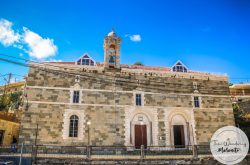
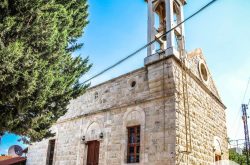
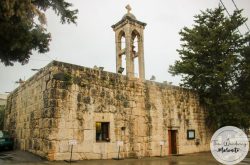
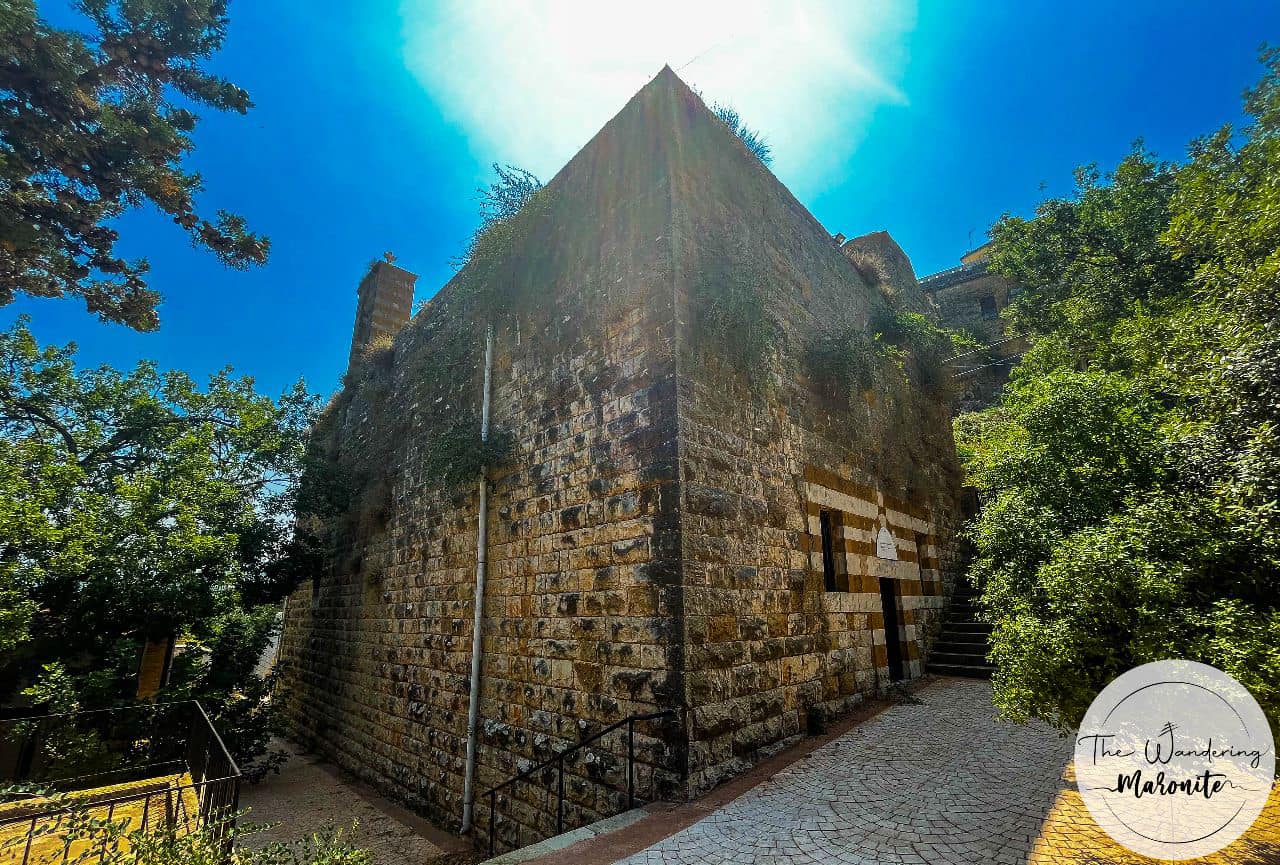
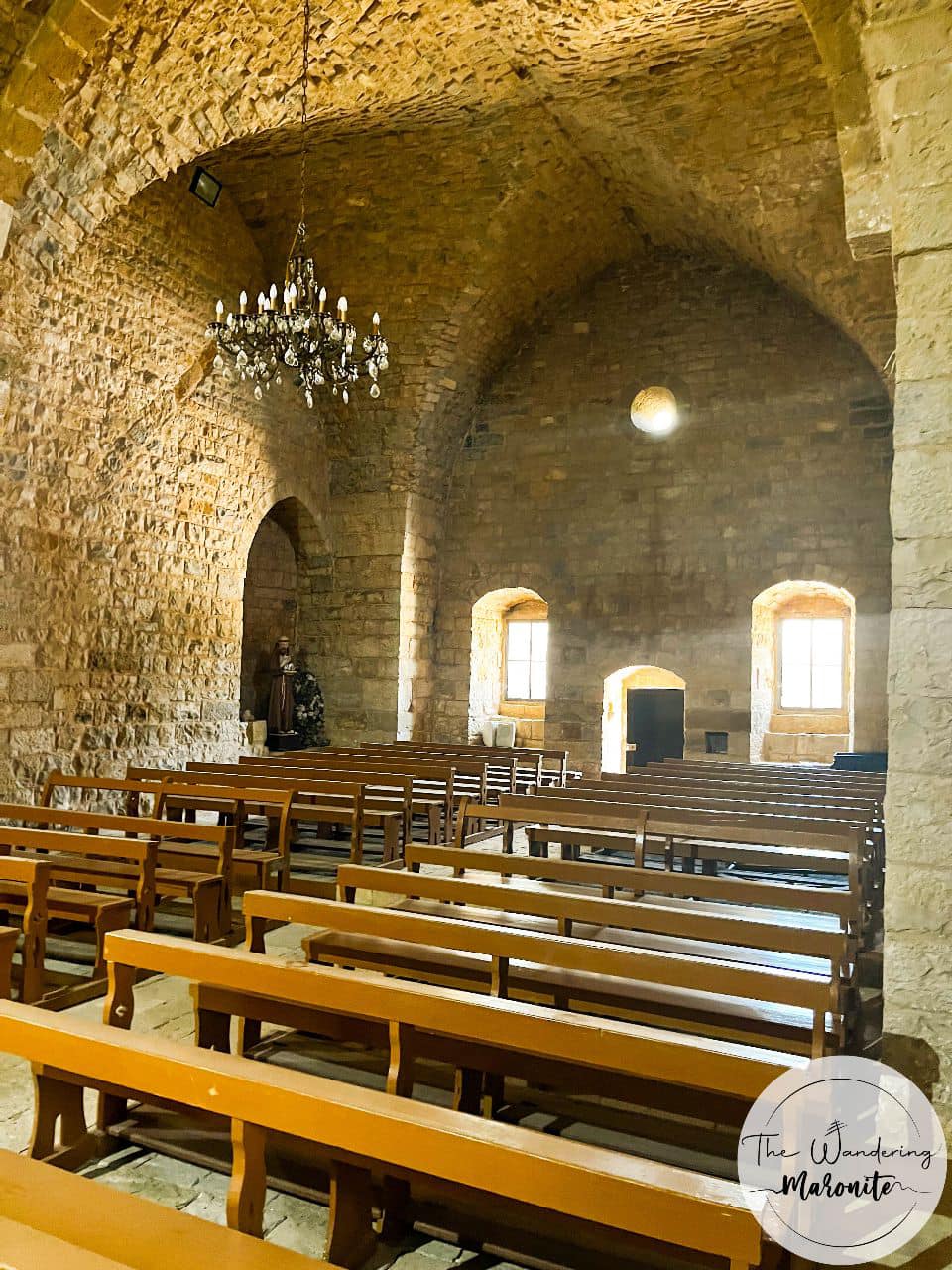
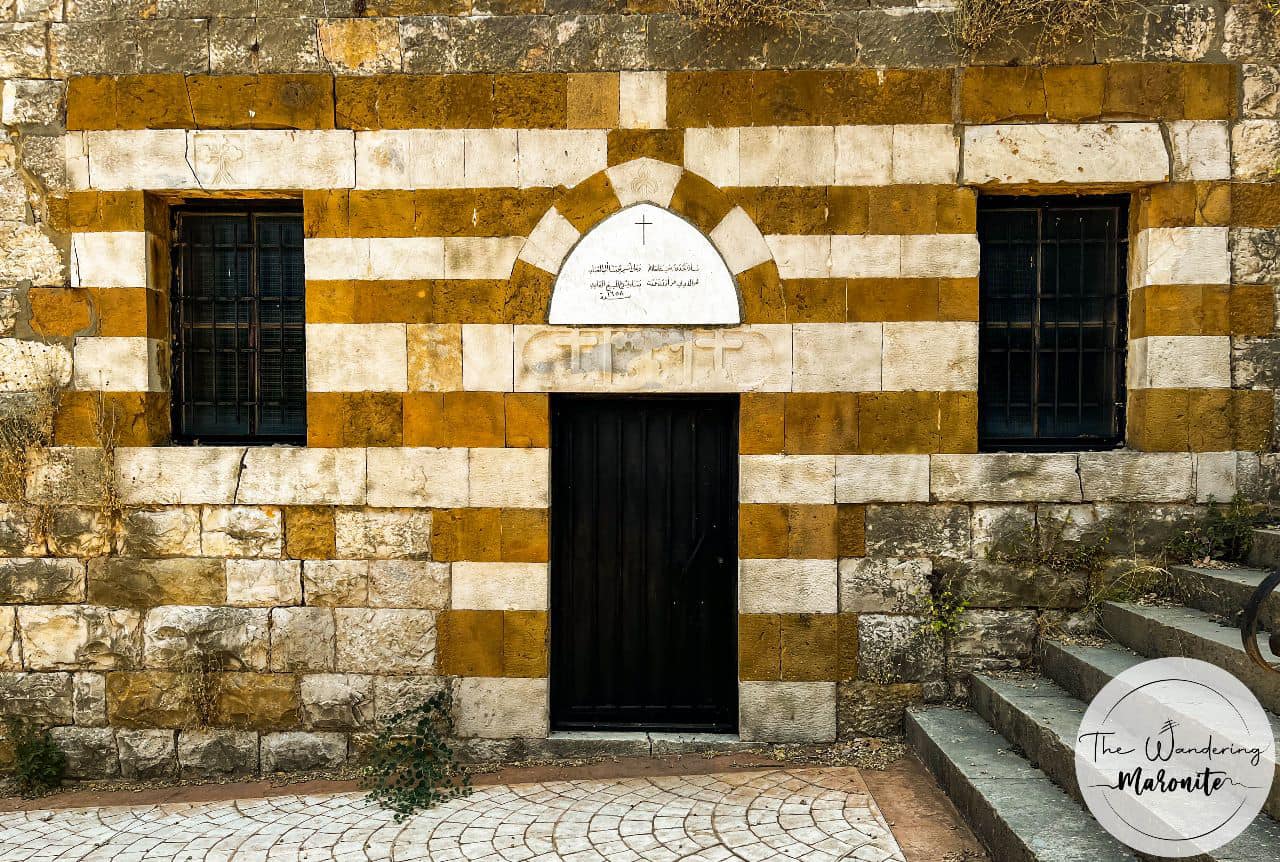
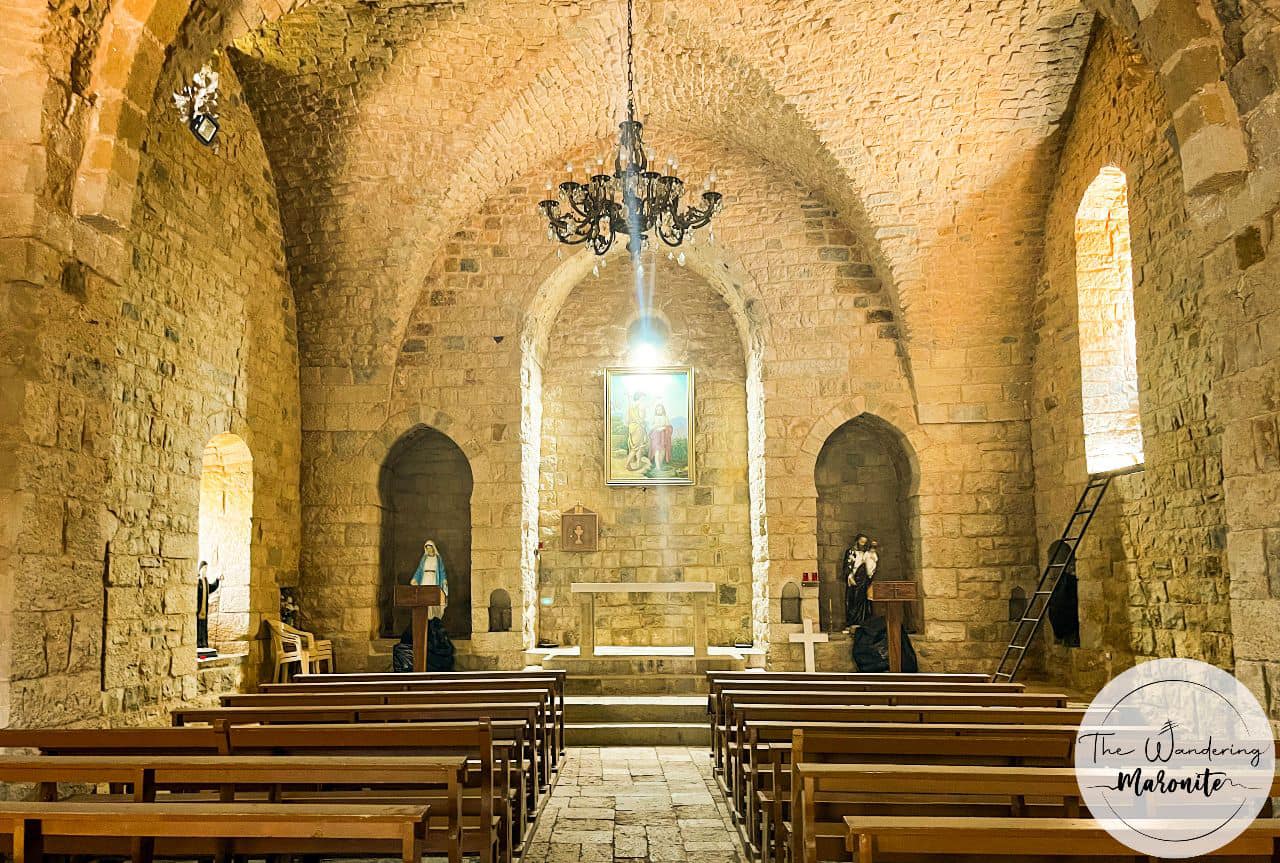
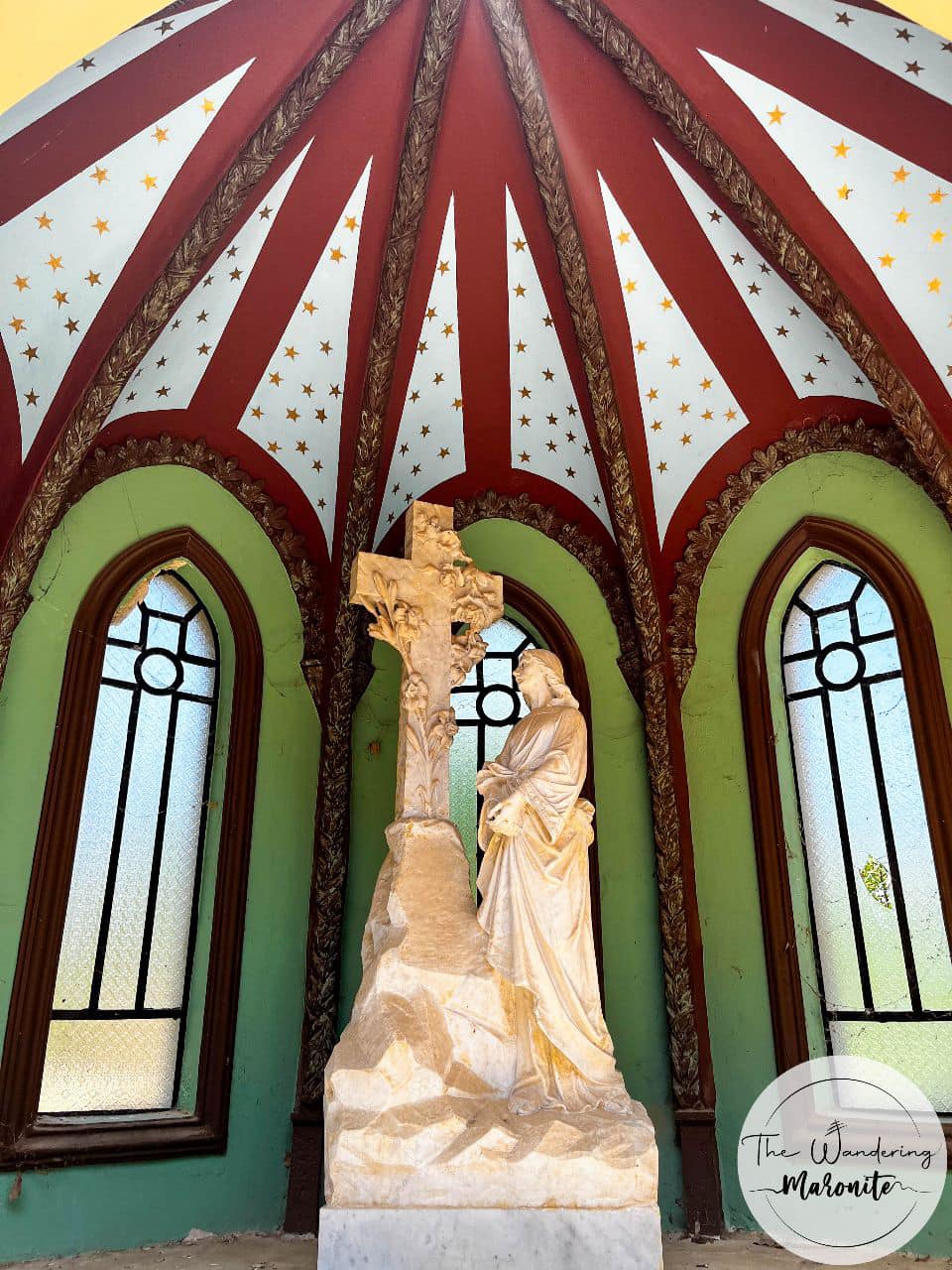
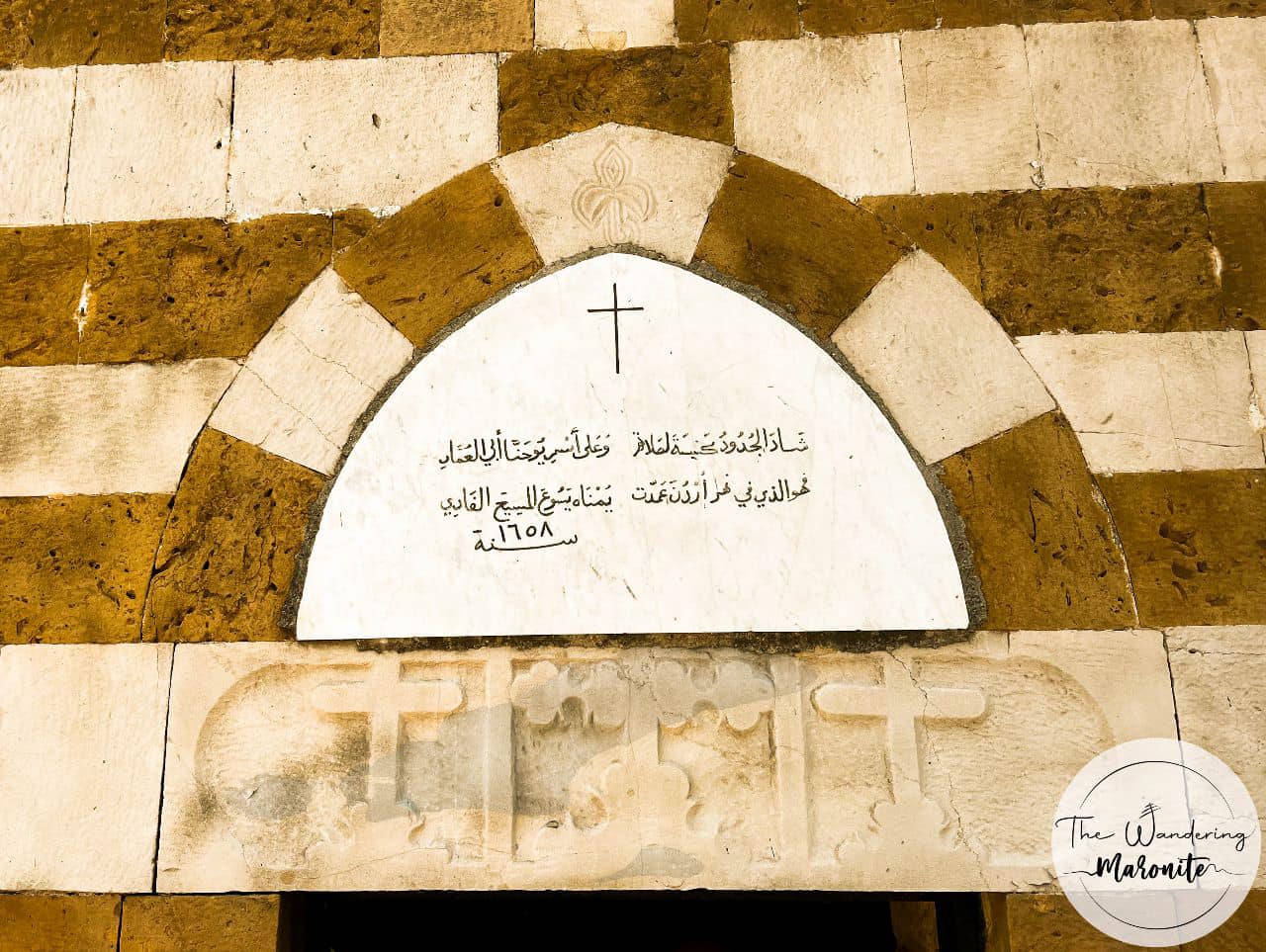
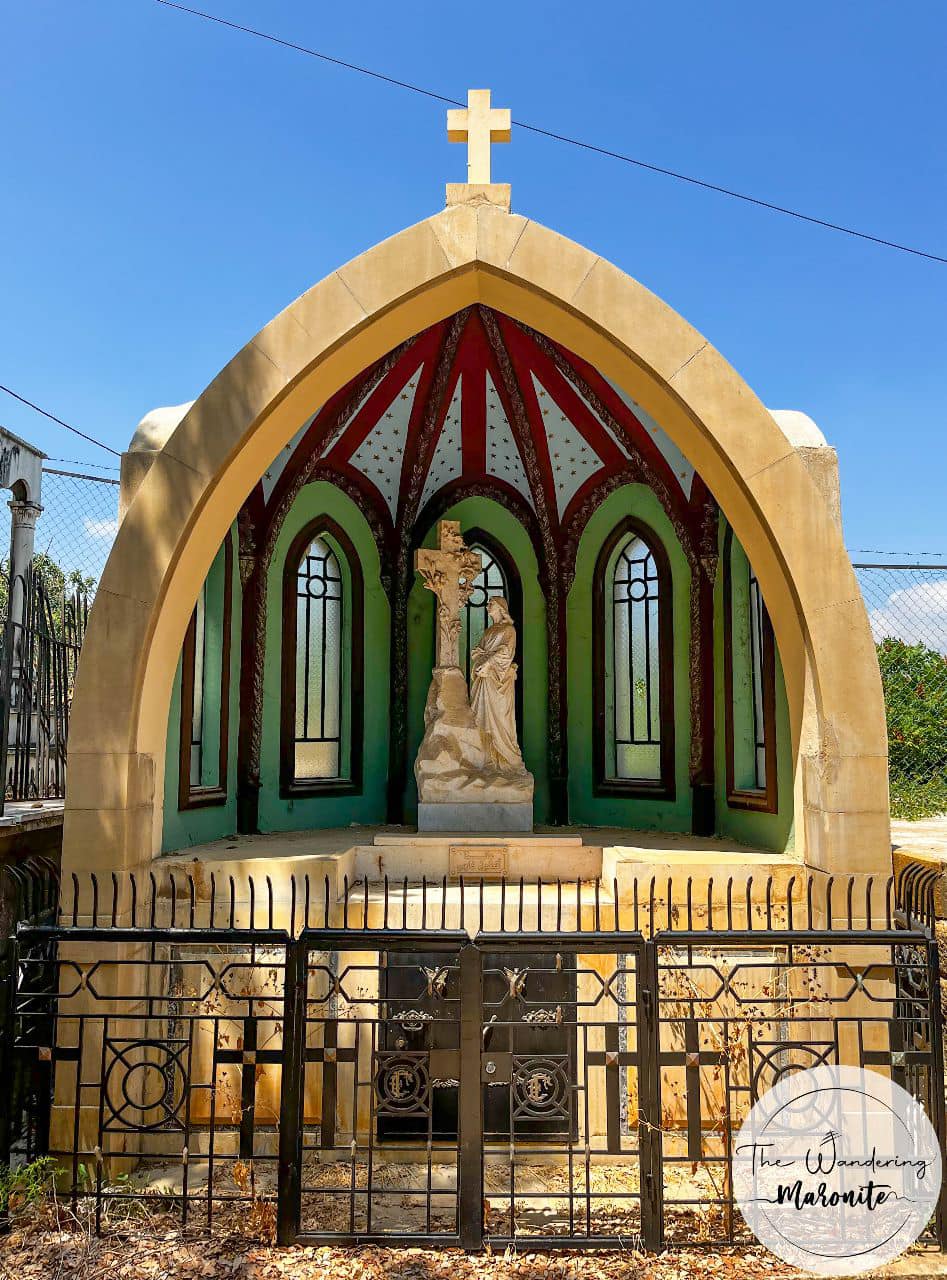
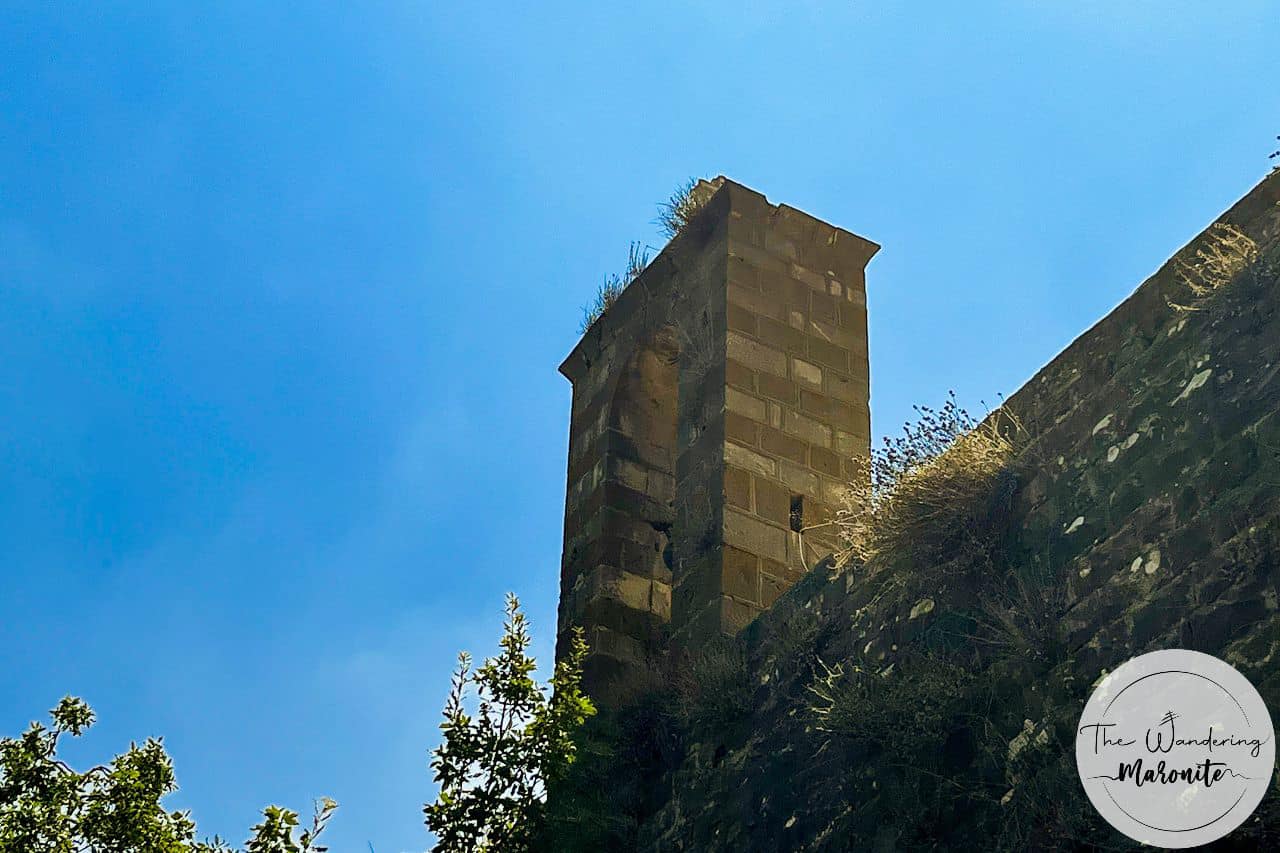
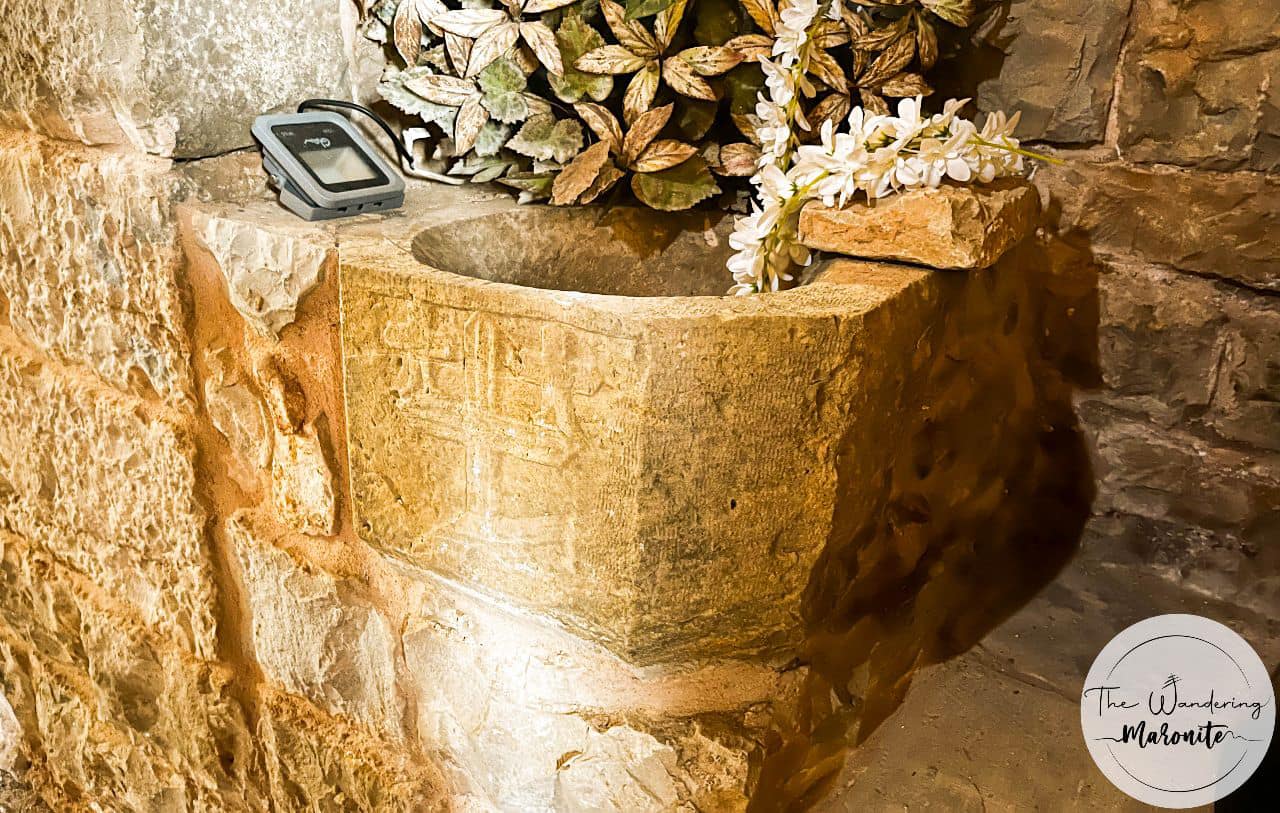
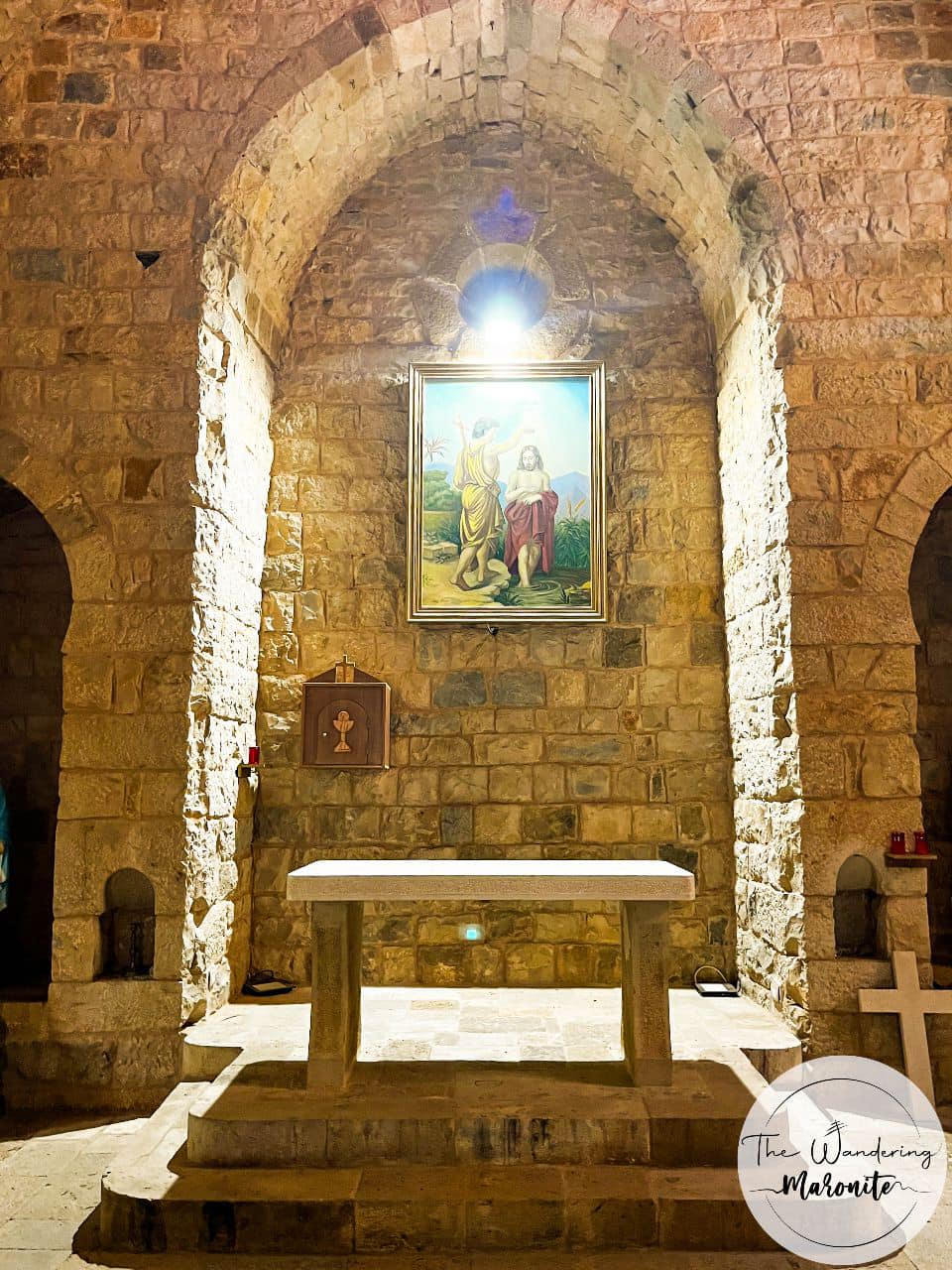
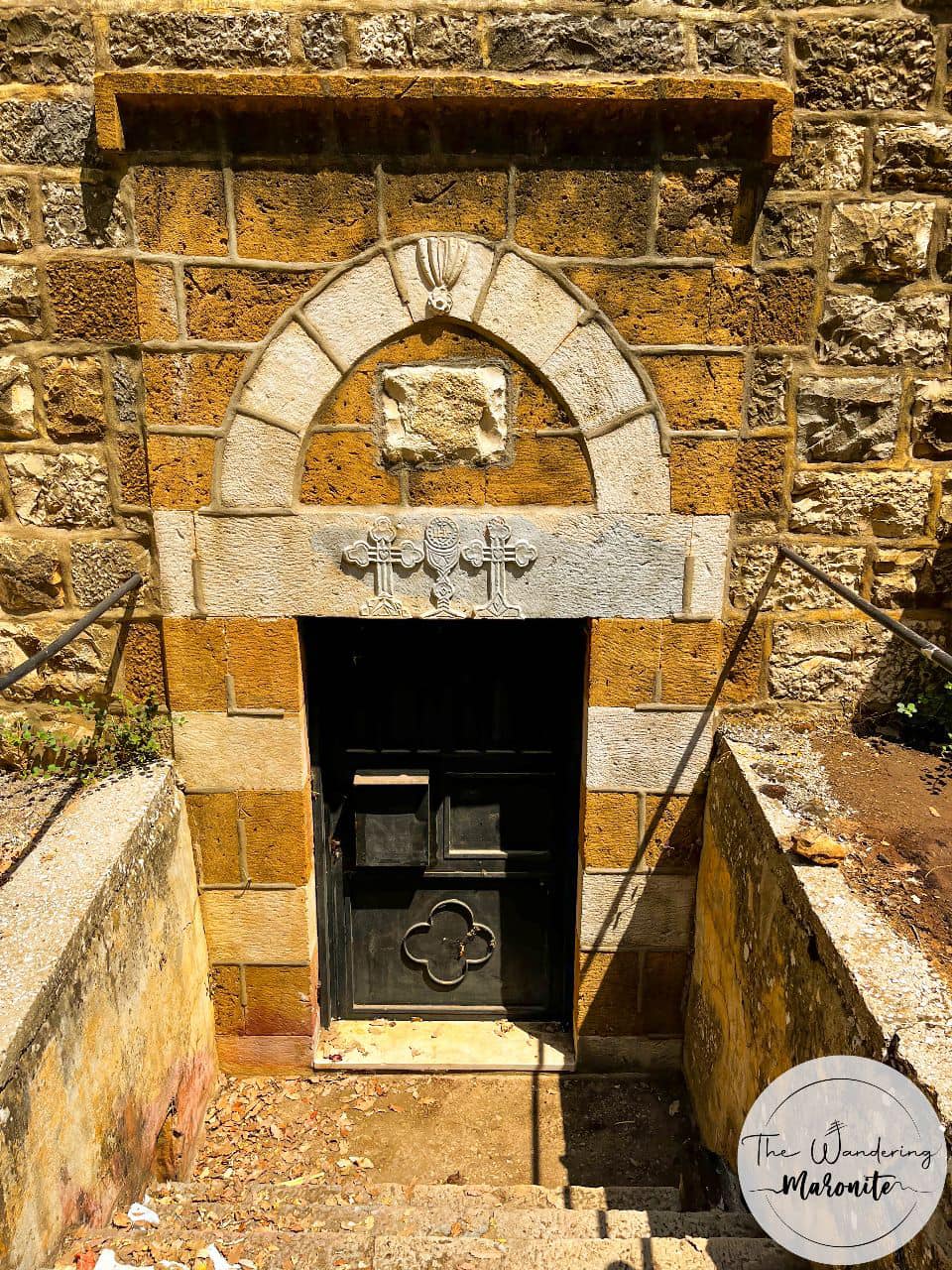
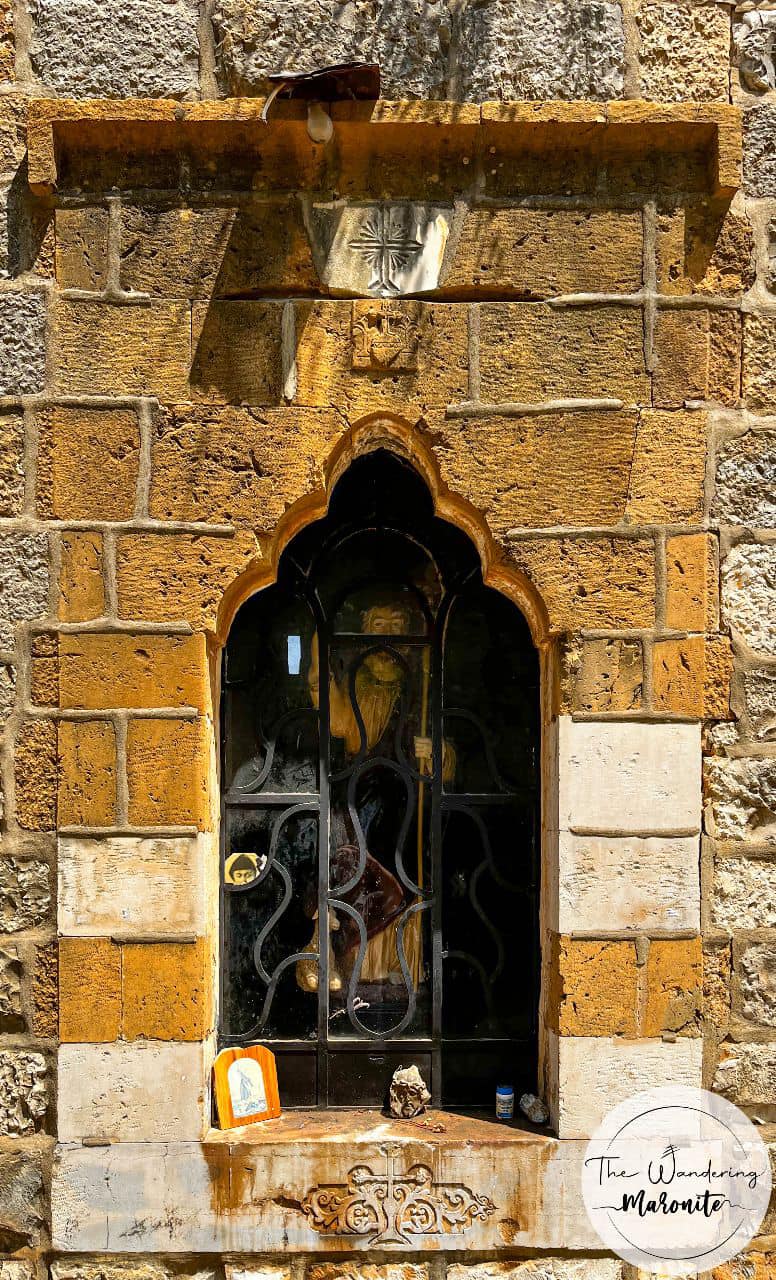
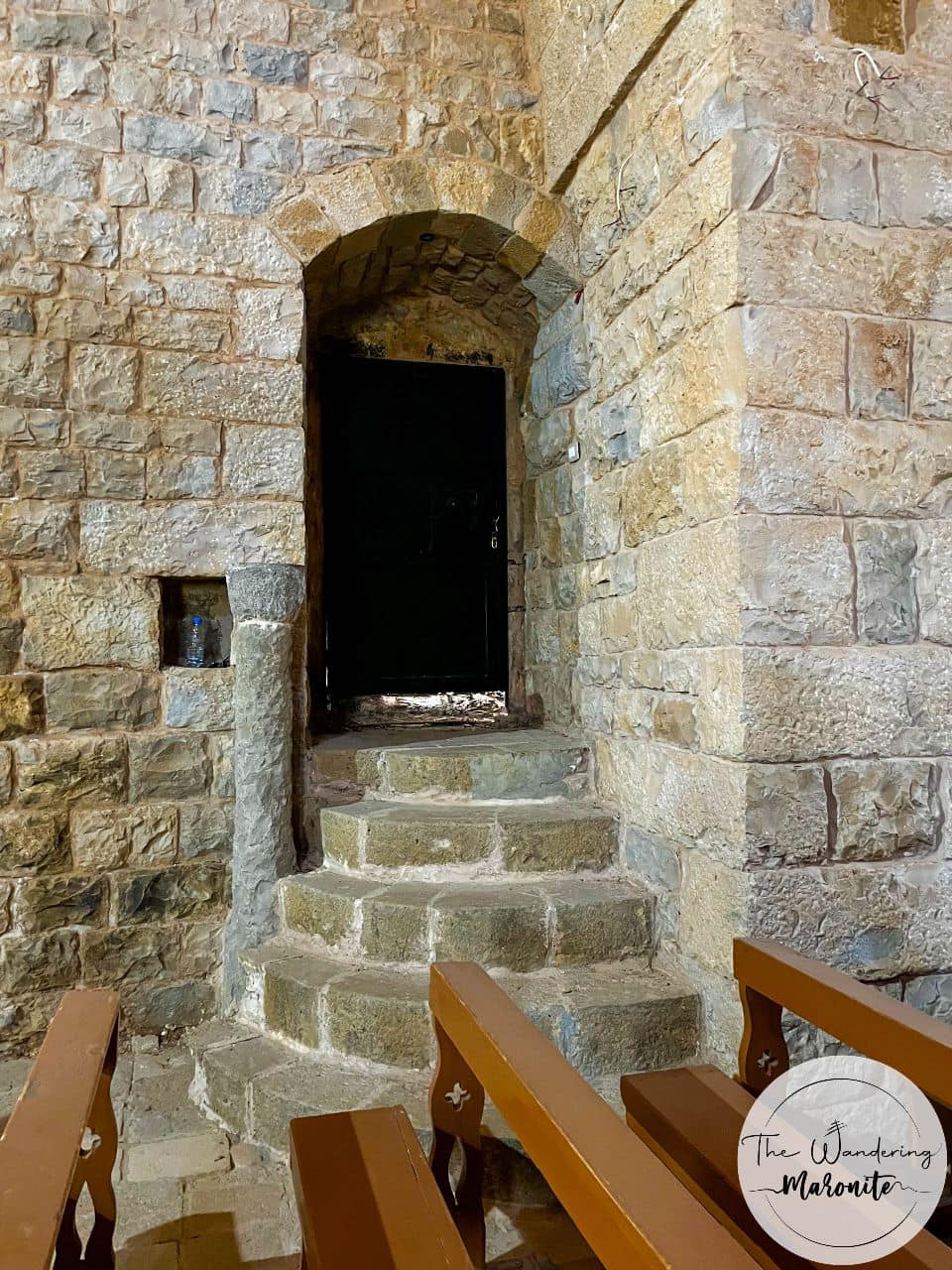
كنيسة مار يوحنّا المعمدان الأثريّة - صليما يعود بناء الكنيسة إلى سنة ١٦٥٨، فمع توافد الموارنة إلى البلدة شرعوا ببناء كنيسة. ساعدهم على بنائها الآباء الكبوشيّون الذين بدؤا رسالتهم في دير مار بطرس في البلدة وجلبوا لإعانة موارنة البلدة معونة ماديّة من الكاردينال ريوشوليو وزير الملك لويس الثالث عشر. سنة ١٦٨٤ كرّس المذبح البطريرك أسطفان الدويهيّ. البناء كناية عن عقدِ مُصالب، يتميّز ببابٍ فخمٍ قدّمه أمراء آل أبي اللمع. تعرضت الكنيسة للتخريب إبّان الحرب الأهليّة اللبنانيّة. ورمّمت في تسعينيّات القرن العشرين St. John the Baptist Ancient Church - Salima The construction of the church dates back to the year 1658 when the Maronites began to settle in the town and started building a church. The Capuchin fathers, who began their mission at the Monastery of St. Peter in the town, assisted them in its construction. They brought financial assistance from Cardinal Richelieu, the Minister of King Louis XIII, to support the Maronites of the town. In 1684, Patriarch Estephan Douaihy consecrated the altar. The building is in the shape of a crucifix and is distinguished by a magnificent door donated by the Al Abi Al Lamaa family. The church suffered damage during the Lebanese Civil War and was restored in the 1990s.

Visited 4860 times, 2 Visits today

Reviews are disabled, but trackbacks and pingbacks are open.

Related Listings

Kobbayat – The church of our Lady of Shahlo

Notre Dame de Chahlo, Qoubaiyat, Lebanon

كنيسة سيّدة شحلو

Qbaiyat Aakkar

Akkar

Akkar

كنيسة سيّدة شحلو - القبيّات

كلمة شَحْلُو من السريانيّة تُشير إلى مجرى المياه. هذه المنطقة قديمًا شكلت المدخل الشماليّ للقبيّات، بنى فيها الأهالي معبدًا وثنيًّا ما لبث أن حوّلوه كنيسةً. دمّر المماليك في حملتهم الكنيسة ليبنوا برجًا للمراقبة. هذا البرج دمّره العثمانيّون بعد معركة مرج دابق سنة ١٥١٦. أواسط القرن العشرين أُعيد بناء الكنيسة بشكلها الحاليّ، مع برج ساعةٍ رُفع عليه تمثال للعذراء في تسعينيّات القرن الماضي. تُعتبر هذه الكنيسة مزارًا ومحجًّا للأهالي.

The church of our Lady of Shahlo - Kobbayat

The word Shahlo is from a syriac root referring to a water source. In ancient times the locals built a pagan temple on the site that was converted into the first church. This church was destroyed by the Mamluks who built a tower on the site that was destroyed by the ottomans after the battle of Marj Dabeq in 1516. In the mid XXth century a church was rebuilt in it’s current form, with a bell tower added in the ninties. The church is considered a votive shrine for the villagers.

The Cedar forest – The church of the Transfiguration of the Lord

Cedars of God Bsharri, Bsharri, Lebanon

كنيسة تجلّي الربّ

Bcharreh

Bcharre

North

كنيسة تجلّي الربّ - غابة الأرز
بدأ البناء سنة ١٨٤٤ مع الخوري يوحنا شبيعا، بموجب مرسوم بطريركيّ في عهد البطريرك يوسف حبيش. أُكمل البناء على مراحل سنتي ١٩٣٦ و١٩٨٣، وُرمّمت سنة ١٩٩٠. المذبح مصنوع من خشب الأرز المحفور من عمل الحرفيّ سليم أبي قبلان جعجع. أيقونة التجليّ تنتمي للمدرسة المقدسيّة.

The church of the Transfiguration of the Lord - The Cedar forest

The church was first built in 1844 by Fr Youhanna Shebaiaa, with a decree from Patriarch Youssef Hobeich. The construction was reworked in 1936 and 1983. The church was restored in 1990. The high altar is made of cedar wood by the craftsman Selim Abi Qabalaan Geagea. The icon of the Transfiguration is an issue from the school of Jerusalem.

The valley of Mazabeh Hadsheet – The Hermitage of St Chalita

كنيسة مار شليطا, Hadchit, Lebanon

محبسة مار شلّيطا

Hadchit

Bcharre

North

محبسة مار شلّيطا - وادي المذابح حدشيت

وادي المذابح هو من روافد الوادي المقدَس، وفيه محبسة مار أرتاميوس (شليطا) وتعود للقرن الحادي عشر. مؤلّفة من عقد سريريّ ينتهي بحنية نصف دائريّة، البناء أصبح اليوم أثرًا. في الموقع بقايا عظام بشريّة.

The Hermitage of St Chalita - The valley of Mazabeh Hadsheet

The valley of Mazabeh is a part of the Holy Valley descending from Hadsheet. In the valley stands the hermitage of St Artemius (Chalita in syriac) dating back to the XIth century. The building is in ruins consisting of a cribbed vault ending with a semi circular apse. The church contains remains of human bones.